-
Rotational Field Management
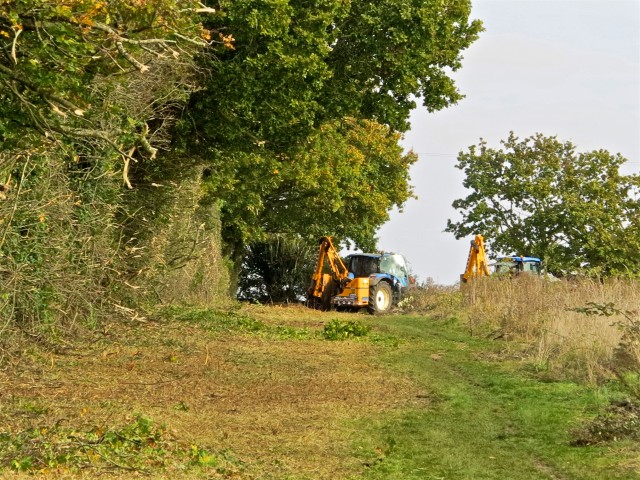
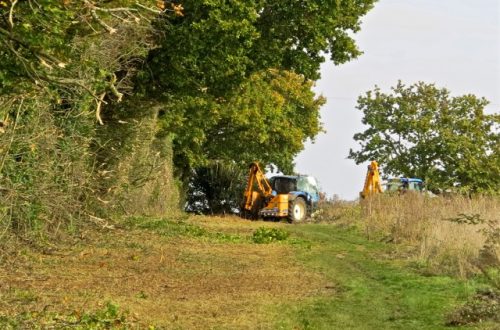
The Trusties sought advice regarding the management of the Field from the Suffolk Wildlife trust. It was advised that the field be managed, There is a document providing advice, essentially it involved removing the large amount of tree saplings (as the field would within a few years evolve into a unmanaged wooded area (the terms of the covenant is that the area remains a field) 20 plus trees that self seeded have been selected to remain on the field. The field should be managed on a rotational basis every five years. This will involve removing all the brambles undergrowth’s and unselected trees (isolated trees will remain on the field) from…
-
Plant Survey Spring 2026
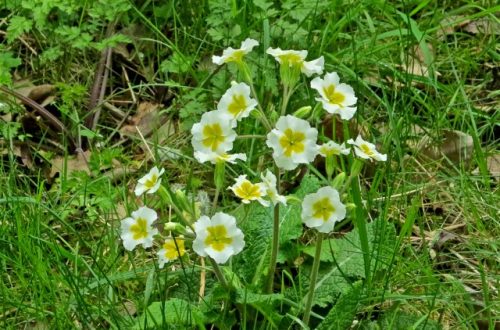
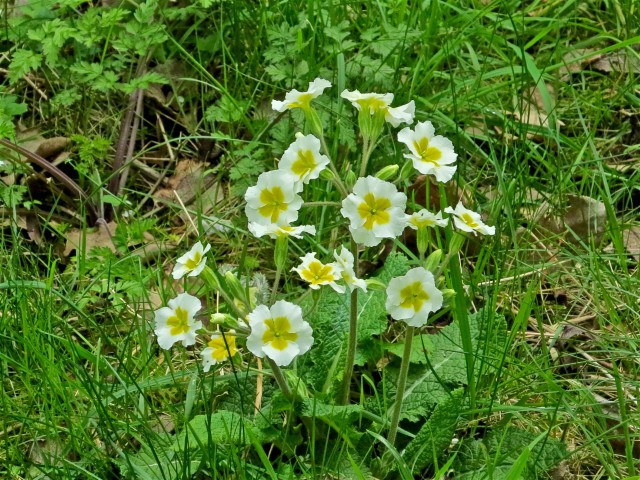
In May 2026 a plant survey was completed with the assistance of the Lavehnam Natural History group Below is the results of that survey. Results of Botany Survey carried out in the field on 6th May 2026 Sheep’s parsley Bristly oxtail Old man’s beard Dandelion Pink campion Hogweed Geranium dissectum Sow thistle Field bindweed Horehound Mugwort Red fescue Broad leaf plantain White campion Apple …
-
Meeting Agenda and Minutes
The Minutes and meetings are open to the public domain and will be lodged on this page for downloading The relevant documents are stored on the Acton Parish Council Web site and can be accessed from the link below
-
From the Air
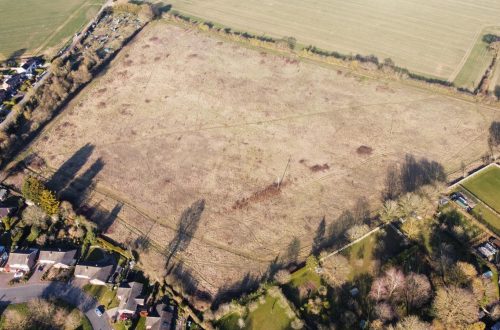
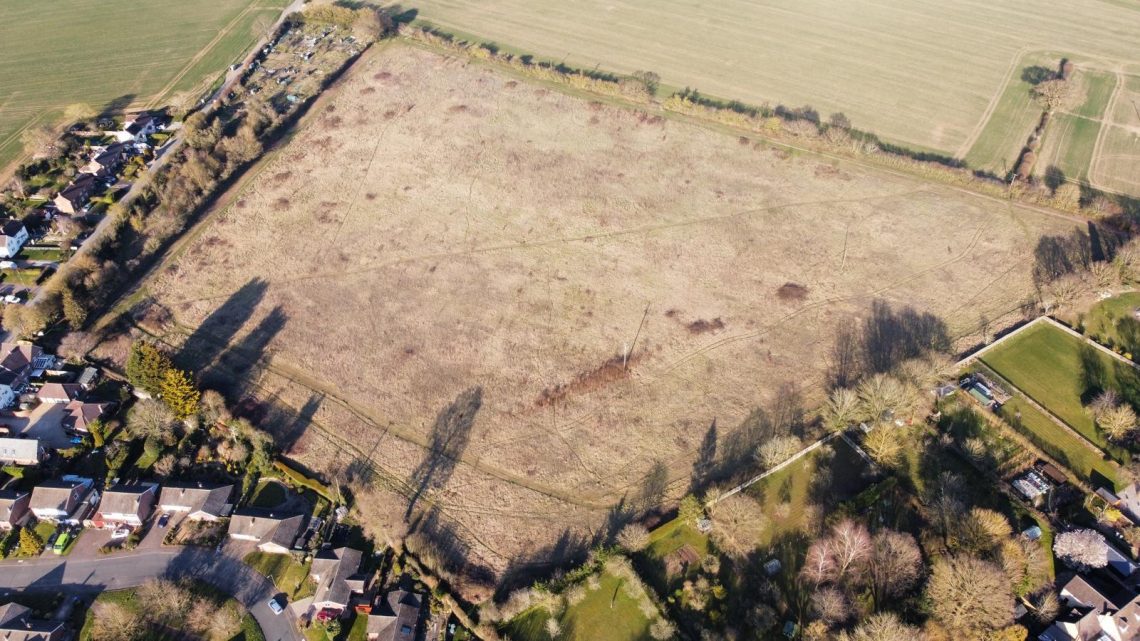
We had some kind assistance from a local resident to take some images from the air using a drone. These were taken March 2025 Looking at the below picture. The picture is south to North. Barrow hill is the road on the left and Gottsfield close is at the bottom of the picture.
-
Site Meeting with Suffolk Wildlife trust
Site meeting with Cathy Smith from the SWT, 13.09.24 Present, Christine Johnson, Julie Black, John Gibbens and Steve Le Grys Cathy Smith, a conservation advisor for the Suffolk Wildlife Trust, visited the field on Friday 13th September with myself, John, Christine and Steve Le Grys. I gave Cathy the background to the acquisition and how it is now managed. She then spent an hour and a half with us offering advice and answering questions. Topics of discussion as follows; Ragwort; although the field has a large amount of ragwort, it’s a native species that is a food source for over 30 insects and reptiles. https://ragwortfacts.com/ragwort-law.html DEFRA states that if ragwort is…